Industries
›
Infrastructure
The use of drones in infrastructure spreads through a wide scope of applications from infrastructure planning, supervision to maintenance, inspection, and even equipment control.
Workforce safety being one of the major concerns in the industry, drones can not only ease the operation incorporated safety concerns but are also capable of providing more precise information at a fraction of the cost.
Related projects
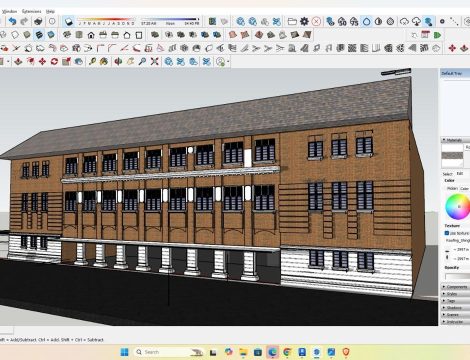
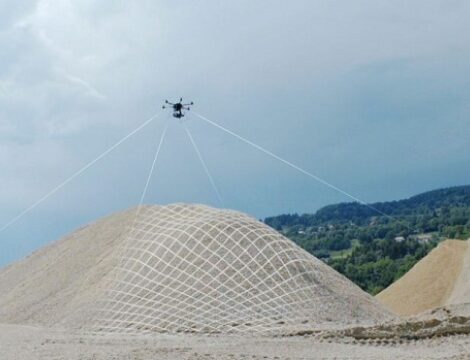
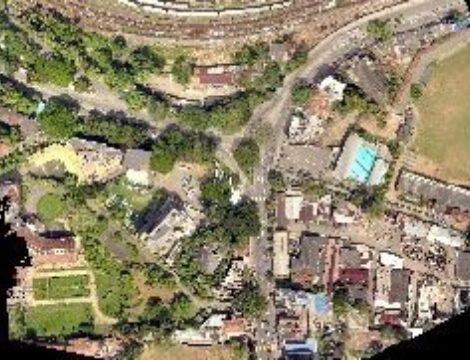
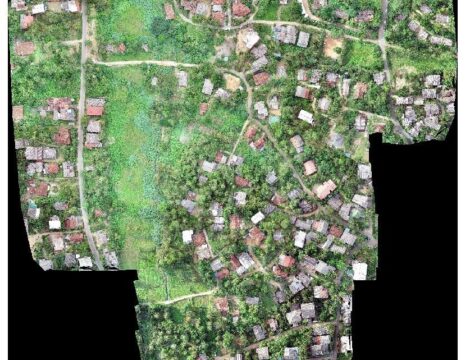
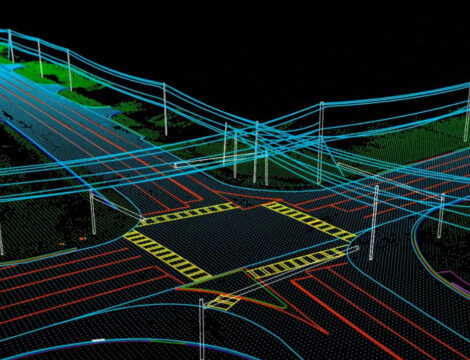
The following are some use cases of drones in the infrastructure industry.
- Transmission and distribution (T&D) lines - identify vegetation encroachment and wildfire fuels buildup, leaning power poles, sagging wires, snagged metallic balloons, equipment wear, vandalism, etc.
- Oil and natural gas pipelines - leak detection and equipment corrosion
- Vertical structures, nuclear cooling towers, storage tanks, smokestacks, piers, etc.—to look for signs of wear and anomalies
- Dams and levees - to identify structural defects and needed repairs, and assure environmental compliance/avoid stop work claims during replacement work
- Bridges, underpasses, overpasses, and culverts - inspect cracks, wear, general conditions
- Roads and freeways - to assess cracking and maintenance needs of the pavement
- Municipal water systems, aqueducts, fish ladders on older dams, reservoirs - leak detection, environmental monitoring, vegetation management, equipment maintenance, and security
- Railways - to check for wear, vegetation, rocks, and security on tracks, as well as conditions of bridges, poles, and yards
- Utility-scale solar facilities, for locating sub-performing arrays and repair needs
- Onshore and offshore wind turbines - to detect cracks and other maintenance needs
- Emergency, post-weather-event, and post-disaster damage assessments