Agriculture
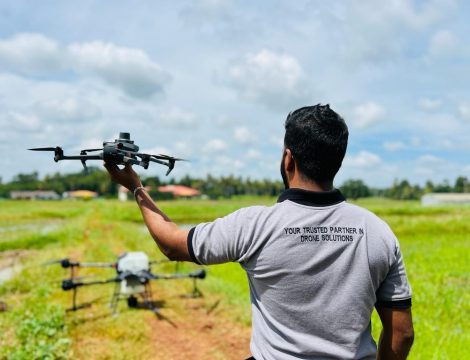
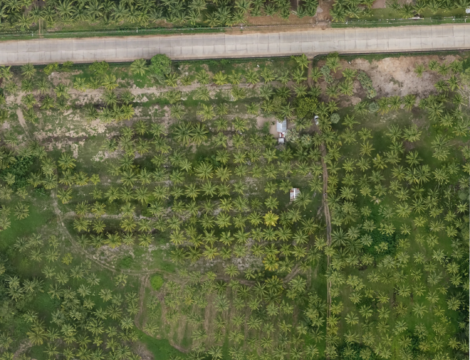
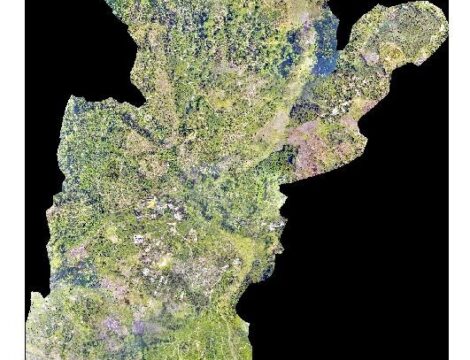
The introduction and the use of modern and precise farm technologies bring revolutionary changes to farming. The application of drones in agriculture expands from chemical and fertilizer spraying to gathering agricultural data for more informed decision-making.
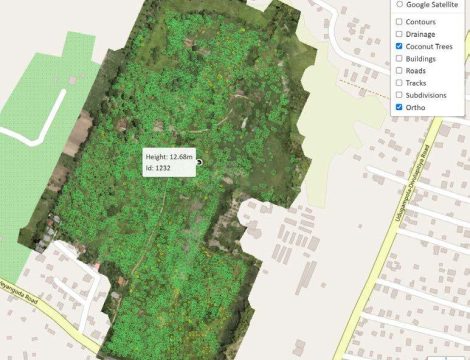
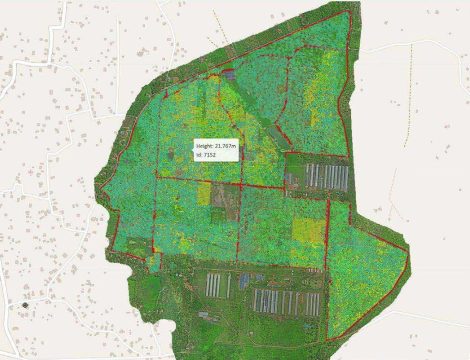
These gathered data can further be used to assess crop health, determine plant height and vegetation indices, plant scouting, determine irrigation needs, soil analysis, etc. This enables timely protection of crops from pests, saves time for crop scouting, reduces overall cost in farm production, and secures high yield and quality crops.
Plant health: Drones equipped with special imaging equipment called Normalized Difference Vegetation Index (NDVI) use detailed colour information to indicate plant health. This allows farmers to monitor crops as they grow so any problems can be dealt with fast enough to save the plants.
Field/soil Monitoring: Drone thermal cameras can be used to monitor soil moisture and water levels. Some agricultural drones even provide nitrogen detection facilities.
Planting/Seeding: By using automated seeders/spreaders, farmers are now able to plan drone-incorporated autonomous seeding operations.
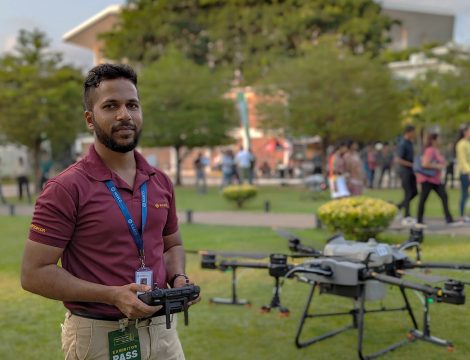
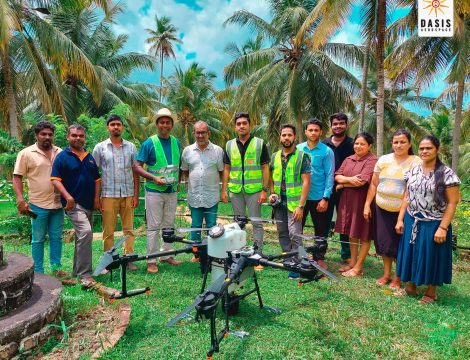
Spraying: Drone sprayers are able to navigate very hard-to-reach areas, such as steep tea fields at high elevations. These save workers from having to navigate fields with backpack sprayers, which can be hazardous to their health. Further, these sprayers deliver very fine spray applications that can be targeted to specific areas to maximize efficiency and save on chemical costs.
Operations Inspection: Drone cameras can provide an overview of farm operations throughout the day to ensure operations are running smoothly and to locate equipment being used.
Related projects