Utilities
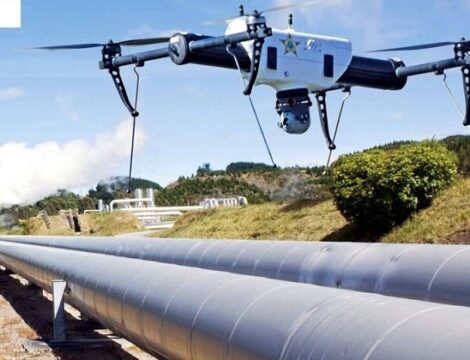
Most utilities recognize drones can play a role in expediting inspection of infrastructure like transmission lines. Utilities deploy drones after major events, too, such as floods, hurricanes, and tornadoes. The industry is currently at a point where it is increasingly testing and deploying drones and putting in place mobile damage assessment software.
The largest benefit for drone work is on transmission lines and distribution circuits are in remote, rural areas. Utilities can turn to drones for specialized surveys, such as inspecting easements or carrying out volumetric analyses of stockpiled fuel at power plants.
Further drones can use artificial intelligence and LiDAR to determine if a pole is broken, upright, or leaning. Through integration with damage assessment software, drone-supplied information help utility managers quickly make decisions about which crews and skill sets were needed for each part of storm-ravaged service territory. Drones offer added safety because humans can use them to get close to damage, collect intelligence, yet avoid being in harm’s way.
- Increased workplace safety
- Reduced inspection time
- Reduced inspection cost
- Ability to acquire information in multiple modes
- Ease of digital integration of results
Related projects